
What Is Cassava Starch (Polvilho) and Where Does It Come From?
When exploring what is cassava starch (polvilho), we find a versatile ingredient present in Brazilian cuisine for thousands of years, obtained through methods ranging from artisanal practices to industrialized processes.
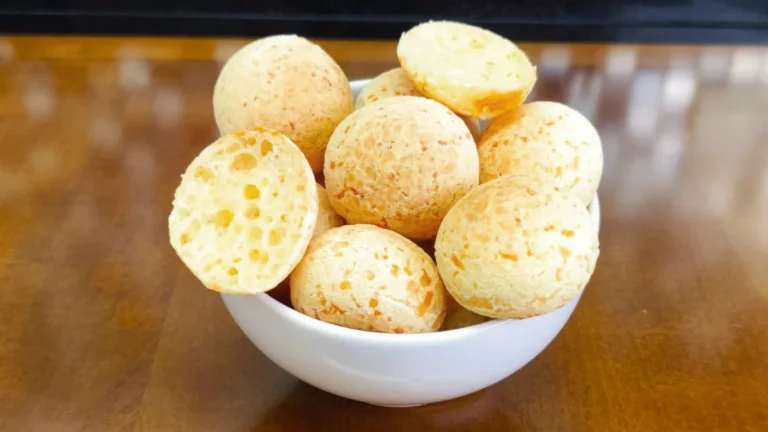
Its striking presence shines through in popular dishes, such as the irresistible pão de queijo (cheese bread) and traditional tapioca. In addition to its deep roots in Brazilian gastronomy, cassava starch transcends borders and conquers palates around the world, proving to be a true culinary gem of international character.
What Is Cassava Starch and Its Historical Origin?
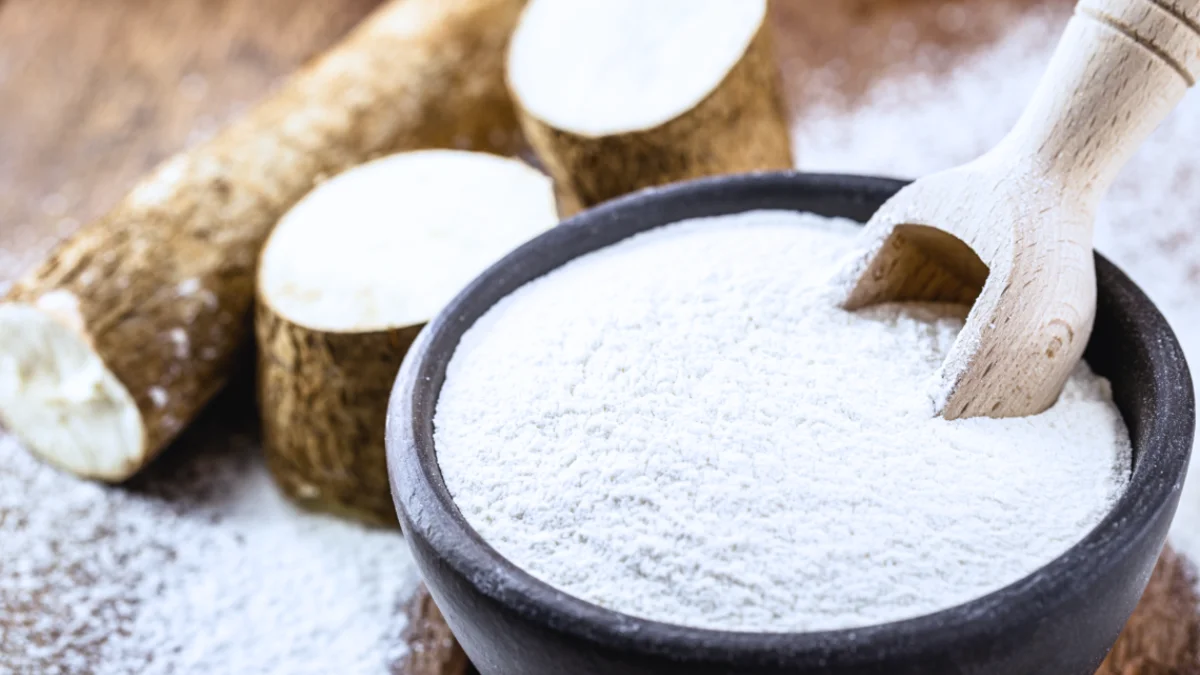
To understand the history of this ingredient, it is essential to first address cassava. This tuberous root was cultivated by indigenous civilizations thousands of years ago, being considered one of the main foods in pre-colonial America.
The plant was domesticated from the bitter variety, which is poisonous and must undergo a complex process to eliminate toxins before becoming safe for human consumption.
Cassava starch is a direct derivative of cassava. To extract it, the natives first grated the roots, and the resulting mass was pressed to separate the liquid. Then, this liquid was left to rest so that the starch would settle. Once the starch settled at the bottom, the water was removed, and the solid residue was placed to dry in the sun, resulting in traditional cassava starch (polvilho).
Production Process
Over time, with the advancement of technology and the food industry, cassava starch production—which was once entirely artisanal—underwent a process of industrialization starting in the 20th century, driven by the growing demand for processed foods and the need for large-scale production to meet the consumer market.
Industrialization brought benefits such as greater production efficiency, standardization of product quality, and greater availability for consumption in various regions of Brazil and even beyond Brazilian borders.
The industrialization process of cassava starch involves the adoption of specialized machinery for the stages of extraction, drying, and processing.
Despite industrialization, small-scale artisanal production of cassava starch still exists, mainly in rural and traditional communities in Brazil, which maintain the essence of ancestral techniques and preserve the culture related to its preparation.
The North and Northeast regions of Brazil are the main areas of cassava cultivation, while most of the industrial processing plants for cassava starch are located in other regions, such as the Brazilian states of Minas Gerais, Goiás, and Paraná.
The influence of cassava starch on Brazilian cuisine is remarkable, especially in dishes like pão de queijo in the Southeast, South, and Center-West, beiju in the North and Northeast, and tapioca in various Brazilian regions. Each region has its own variations and traditions surrounding these dishes, making them an integral part of each area’s culinary identity.
Discovering What Sweet Cassava Starch and Sour Cassava Starch Are
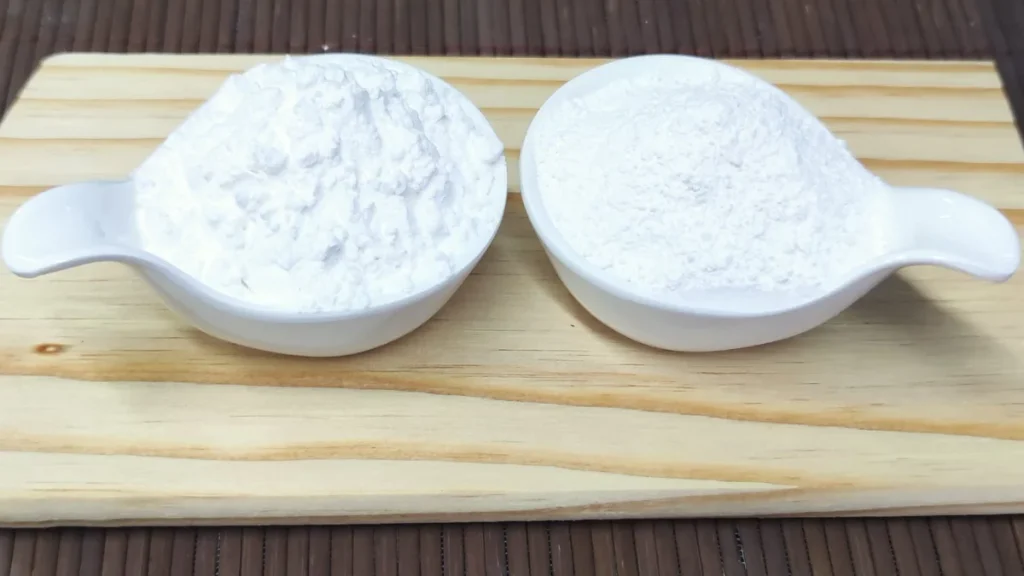
Sweet cassava starch (polvilho doce) and sour cassava starch (polvilho azedo) are two varieties of cassava starch that differ mainly in the manufacturing process and acidity level. Sweet cassava starch has low acidity and acts like a glue, binding ingredients together in preparations such as cookies, tapiocas, and breads with a creamy texture.
On the other hand, sour cassava starch has a more intense, acidic flavor, in addition to creating air pockets in the dough during the fermentation process, making it ideal for pão de queijo (cheese bread) with an airier texture and striking flavor.
Due to these differences, it is not recommended to substitute one type for the other in specific recipes. Often, recipes combine both types of cassava starch to achieve a balance in the properties of each product. Therefore, understanding these distinctions is essential to getting the best out of each of these ingredients in cooking.
Curiosities and Industrial Uses
Beyond culinary traditions, understanding what is cassava starch also requires looking at its primary application in industry, notably in the textile, paper, glue, paint, processed meat products, beer, and food sectors.
Additionally, its presence extends to the petroleum industry, where it plays a significant role in the drilling muds used for drilling wells. Furthermore, it is employed in the production of biodegradable packaging, constituting a sustainable alternative to petroleum-derived materials.
Use in International Gastronomy
The influence of cassava starch is not limited to Brazilian borders. In international cuisine, it is possible to find dishes that use this ingredient, especially in vegan and gluten-free recipes.
In Venezuela and Colombia, cassava starch is known as almidón and is used to prepare arepas and tamales. Arepas, for example, are a type of flatbread made with corn flour and cassava starch, which can be stuffed with various ingredients.
In some Asian countries, such as the Philippines and Indonesia, cassava starch is used in the preparation of desserts and snacks, such as cassava cakes and other regional delicacies.
In Japan, cassava starch is used in teas, specifically bubble tea, a very popular beverage composed of a mixture of tea, milk, and tapioca pearls.
Preservation of Traditions
Cassava cultivation and cassava starch production are linked to traditional communities that have strived to preserve their knowledge and traditions. However, factors such as urbanization, industrialization, and climate change have negatively impacted these ancestral practices.
Various initiatives have emerged to support these communities and promote the appreciation of cassava starch and its derivatives. Agroecology projects, certification of traditional products, and the appreciation of local knowledge have contributed to the preservation of this rich food culture.
Cassava Starch Between Pots and Traditions
Cassava starch is much more than a simple culinary ingredient; it is a symbol of Brazil’s cultural and historical heritage. Preserving its roots and valuing the diversity of its culinary applications are crucial attitudes to keeping this rich tradition alive and constantly evolving.
When enjoying dishes that use cassava starch, we are connecting with the history, culture, and wisdom of the communities that shaped this ingredient over millennia.
References:
- Sauer, C. O. (1993). Historical geography of crop plants: a select roster. CRC Press.
- Castro, C. D., & Leal, A. M. M. (2004). Farinha de mandioca: Tecnologia tradicional de produção no Brasil. Embrapa Mandioca e Fruticultura.
- Chisté, R. C., & Garcia-Cruz, C. H. (2017). Food industries and the traditional production of “polvilho” in Pará State, Brazil. Brazilian Journal of Food Technology, 20, e2016088.
- Food and Agriculture Organization of the United Nations. (2004). Cassava Flour and Starch: Global Perspectives.
- Araujo, R. (2018). Community-Based Organizations in the Context of the Biodiversity Policy. In Encountering Development in the Age of Global Capitalism (pp. 123-147). Palgrave Macmillan, Cham.