
How to Make Homemade Rice Flour?
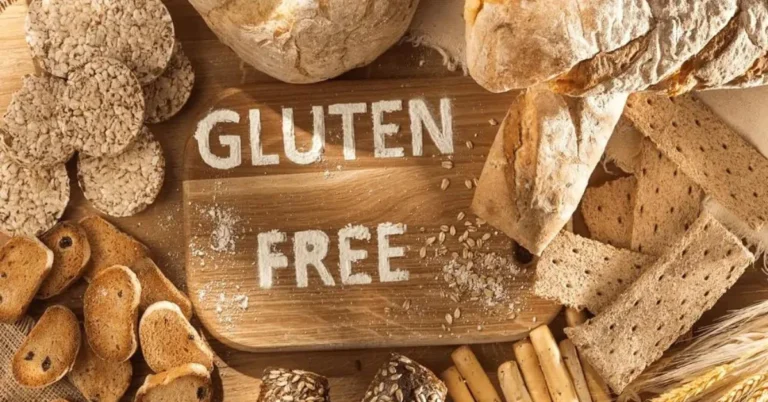
Rice flour is a popular alternative to wheat flour, especially valued by those following a gluten-free diet. In addition to being a versatile ingredient in the kitchen, it offers several health benefits, such as being easy to digest and low in fat.
In this article, we will explain how to make homemade rice flour and explore its history and benefits.
History of Rice
Rice is one of the oldest and most consumed foods in the world, playing a fundamental role in the diets of various cultures. Originating in Asia, specifically in the Yangtze River valley regions of China about 10,000 years ago, rice gradually spread throughout Asia. By 500 B.C., rice cultivation had already established itself in India, from where it spread to the Middle East and Europe.
Arabs were responsible for introducing rice to the Iberian Peninsula during the Middle Ages, from where it spread to the rest of Europe. During the age of discovery and the colonial period, rice was introduced to the Americas. Today, it is cultivated on almost every continent, with Asia still leading world production.
The Rise of Rice Flour in the West
Although rice flour has been used in Eastern cultures for millennia, its use as a substitute for wheat flour became significant in the West only in the 20th century, especially in recent decades as interest in gluten-free diets grew exponentially.
Motivations for Choosing Rice Flour as a Wheat Alternative
The need for gluten-free alternatives arose primarily due to the increase in diagnoses of celiac disease—an autoimmune condition where gluten ingestion can cause severe damage to the digestive system—as well as other related conditions like non-celiac gluten sensitivity and wheat allergy.
Rice flour has become a popular choice because it is naturally gluten-free, has a neutral flavor that adapts well to various recipes, offers a suitable texture for many culinary uses, and is an affordable and sustainable food alternative.

Benefits of Rice Flour
- a. Gluten-Free: Being naturally gluten-free, it is ideal for those with celiac disease or gluten intolerance.
- b. Low Fat Content: Rice flour is low in fat, contributing to a balanced diet.
- c. Easy Digestion: It is known for being light and easy to digest, making it suitable even for recovery diets.
- d. Versatility: It adapts well to a variety of recipes, from cakes and cookies to breads and pastries, replacing flours that contain gluten.
How to Make Homemade Rice Flour
Transforming rice into flour at home is a simple process and offers total control over the ingredients and their quality. Here is how you can make homemade rice flour:
Ingredients:
- Rice of any type (white, brown, etc.)
Required Equipment:
- Blender
- Fine-mesh strainer (sieve)
- Lidded container for storage
Step-by-Step Method:
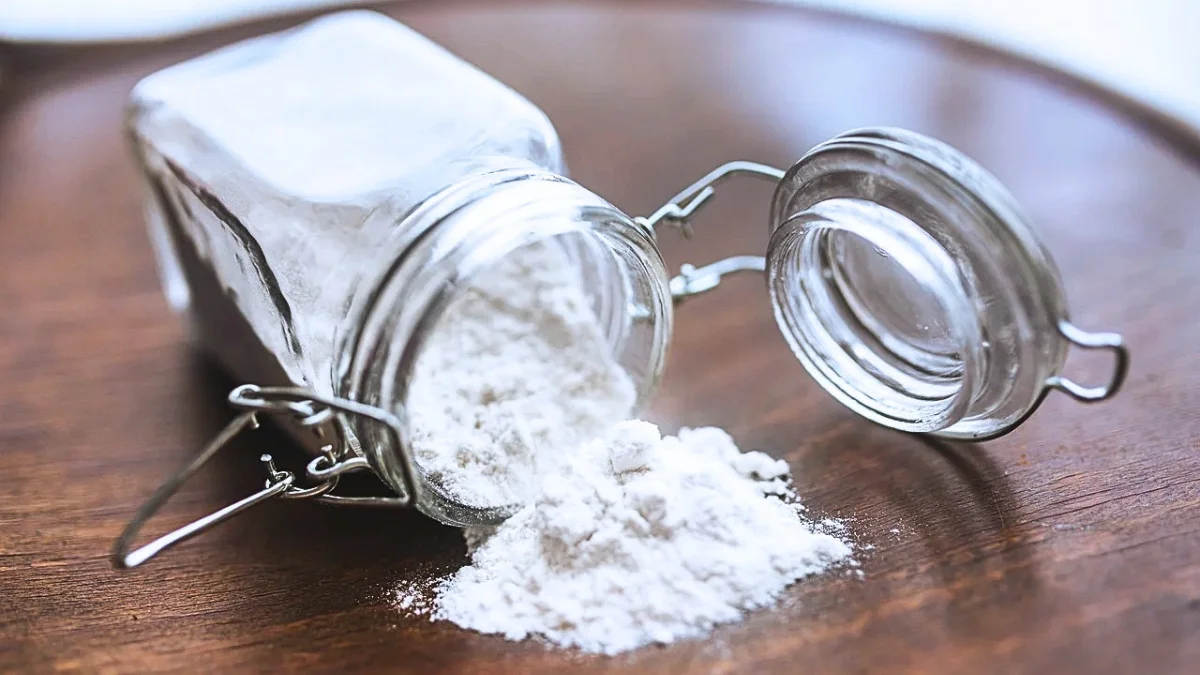
- Grinding: Place the dry rice in a blender. A food processor can be used, but the process is more effective in a blender. Grind the rice in small portions, alternating between the pulse function and maximum speed for efficient grinding.
- Sifting: You will need to pause the process a few times to sift the contents, separating the flour that is already fine. Set the obtained flour aside and return the remaining rice grains to the appliance to grind again.
- Repeat the Process: Repeat the grinding and sifting procedure until all the rice has been transformed into a fine, uniform flour.
- Storage: Store the homemade rice flour in a closed container in a cool, dry place to preserve its quality.

From Ancient Grain to Modern Wheat Substitute
Today, rice flour is an essential ingredient in the global pantry. Whether in cakes, breads, or to thicken sauces, rice flour offers a versatile and healthy alternative to wheat flour. Its growing popularity reflects a greater awareness of food health and the search for culinary inclusion for everyone, regardless of dietary restrictions.
Try making homemade rice flour and incorporating it into your recipes. Discover new ways to enjoy this ancient ingredient in a variety of dishes and culinary styles.