
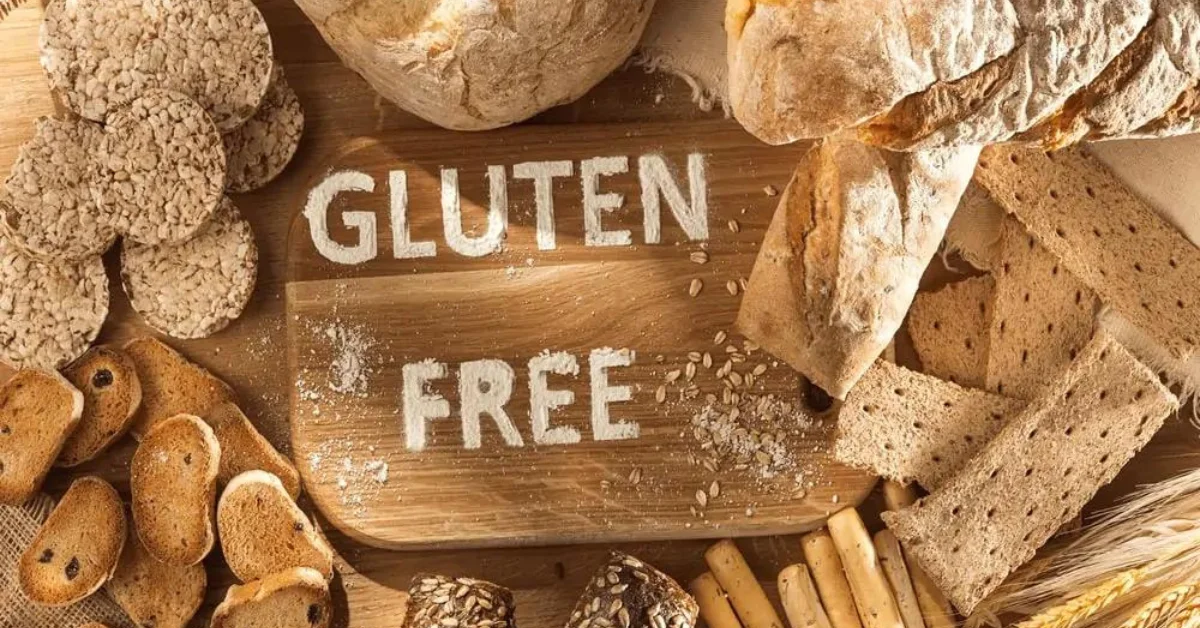
Gluten-Free Ingredients: Alternatives to Wheat
In the culinary world, where wheat often reigns supreme, a new group of ingredients is emerging as the star of an innovative approach to eating. Known as “gluten-free ingredients,” these elements are gaining prominence as versatile alternatives to the ever-present wheat.
The demand for gluten-free options is on the rise, driven by both individuals with specific dietary restrictions and those seeking a more diverse and healthier diet.
In this article, we invite you to explore the fascinating world of gluten-free ingredients, uncovering their properties, benefits, and how to use them to replace wheat in various culinary preparations. Prepare to discover a new universe of gastronomic possibilities as we delve into these wheat alternatives.
What is Gluten?
The protein known as gluten is a primary component in grains like wheat, barley, rye, and triticale. Abundantly present in countless culinary delights such as breads, cakes, cookies, pasta, and cereals, it acts as a binding agent, making doughs stretchy and giving them their structure and shape.
You have certainly heard of the “gluten-free diet” at some point. However, this term can be confusing, as it is not exclusively a conventional diet designed for weight loss. In fact, a gluten-free diet can be adopted by anyone, regardless of whether they have Celiac Disease, wish to lose weight, or have other personal reasons.
For Celiacs, a gluten-free diet is absolutely essential, as Celiac Disease is a serious condition that requires the complete elimination of gluten from the diet. But other individuals may adopt it by choice.
Furthermore, some people choose to avoid gluten because they believe it can help manage certain health issues, such as headaches, depression, chronic fatigue, and even weight gain. It is important to note, however, that these claims have not yet been scientifically proven.
What is Celiac Disease?
Celiac Disease is a condition in which the body has a hypersensitivity to products containing gluten. This condition occurs when the immune system reacts to gluten and attacks the lining of the small intestine.
When a person with Celiac Disease continues to consume foods with gluten, over time, this can damage the healthy intestinal lining, resulting in the loss of the ability to properly absorb necessary nutrients.
This nutritional deficiency can lead to the development of other diseases, such as anemia, osteoporosis, diabetes, and intestinal cancer. Therefore, it is essential for individuals with Celiac Disease to avoid gluten in their diet to preserve intestinal health and prevent long-term complications.
Gluten-Free Ingredients
If you are looking for gluten-free options, discover a list of versatile, naturally gluten-free ingredients capable of adding flavor and variety to your daily diet.
1. Almond Flour
Almond flour is produced from ground almonds and can be used as a substitute for wheat flour in various recipes. In addition, almond flour contains vitamins, minerals, and antioxidants that provide various health benefits. In particular, it is a rich source of monounsaturated fats, which can help control cholesterol.
2. Rice Flour
Rice flour is produced by milling medium or long-grain rice, and can be made from either brown rice or white rice. While brown rice flour has a subtly nutty flavor, white rice flour is bland. Both can be used to make noodles, desserts, cakes, and as a thickener for soups and stews, although the white variety is more prevalent.
3. Oats
Oats were once considered unsuitable for people with Celiac Disease due to the supposed presence of gluten. However, it is important to emphasize that oats themselves do not contain gluten. The issue lies in the cross-contamination that occurs during the commercial cultivation and processing of oats, resulting in traces of wheat, barley, or rye.
Therefore, it is recommended to consume only oat products clearly labeled as gluten-free. Furthermore, some individuals with Celiac Disease may experience discomfort when consuming oats, even without contamination. Therefore, it is important to consult a nutritionist.
To create structure in gluten-free baked goods, oat flour is commonly combined with cassava starch or potato starch as an alternative to wheat flour. This combination provides a texture similar to that imparted by wheat flour, contributing to the proper consistency of recipes.
4. Coconut Flour
Coconut flour is a delicate, soft powder obtained by grinding dried coconut meat. While it can replace some of the wheat flour in recipes, it is important not to exceed about 20% of the total flour proportion. Generally derived from the coconut pulp remaining after the coconut milk production process, the flour has a white, fine texture, along with a distinct coconut flavor and aroma. Therefore, its application is suitable for recipes that accommodate the taste of coconut, but it may not be the best option for those who dislike this flavor.
5. Cassava Starch (Polvilho)
Also known simply as cassava starch, this naturally gluten-free ingredient is obtained from the cassava plant’s underground parts—the roots. Unlike corn starch (which is extracted from aerial parts of plants), cassava starch is a starch product specific to cassava.
Cassava starch is widely used in cooking as a thickener in various foods, such as sauces and pie fillings. Furthermore, it is the base for popular recipes like the Brazilian Pão de Queijo (cheese bread) and biscoito de polvilho (cassava starch cookie), appreciated in kitchens across the country.
6. Quinoa
Quinoa is a nutritious and versatile gluten-free option. In addition to being a complete source of plant-based protein, it contains antioxidants that help combat chronic diseases. Its high fiber content aids in digestive health, blood sugar control, and weight management.
With a mild flavor and pleasant texture, quinoa can be incorporated into various dishes, substituting gluten-containing grains. Its flour can be used in recipes like pancakes, breads, and cookies.
7. Flaxseed
Flaxseed can come in different colors—dark brown or golden—and has a slightly nutty flavor. It is an excellent source of omega-3 fatty acids, lignans, and dietary fiber. When the seeds are ground into flour (or meal), their nutty flavor intensifies.
They can be used in vegan recipes, benefiting digestive health, controlling LDL cholesterol, and providing structure in gluten-free recipes. Flaxseed is used in vegan recipes as an egg substitute and in gluten-free baking as a whole-grain addition or as a fiber-rich alternative to xanthan gum.
Enjoying Gluten-Free Ingredients
Exploring gluten-free ingredients offers a multitude of possibilities for those seeking alternatives to wheat. With options like almond flour, rice flour, oat flour (free from cross-contamination), coconut flour, cassava starch, quinoa, and flaxseed meal, it is possible to create flavorful and healthy recipes.
These ingredients not only meet the needs of people with Celiac Disease but also offer nutritional benefits, such as protein, healthy fats, fiber, and antioxidant compounds.
By exploring the world of gluten-free ingredients, you will open the doors to a more diverse and nutritious diet, expanding your culinary repertoire and promoting a balanced and inclusive way of eating. Therefore, try these alternatives and enjoy a gluten-free gastronomic experience!
Take the opportunity to check out the Apple Pie recipe made with Oats and add more nutrition to your diet without compromising on flavor—this pie is delicious and super easy to make!